


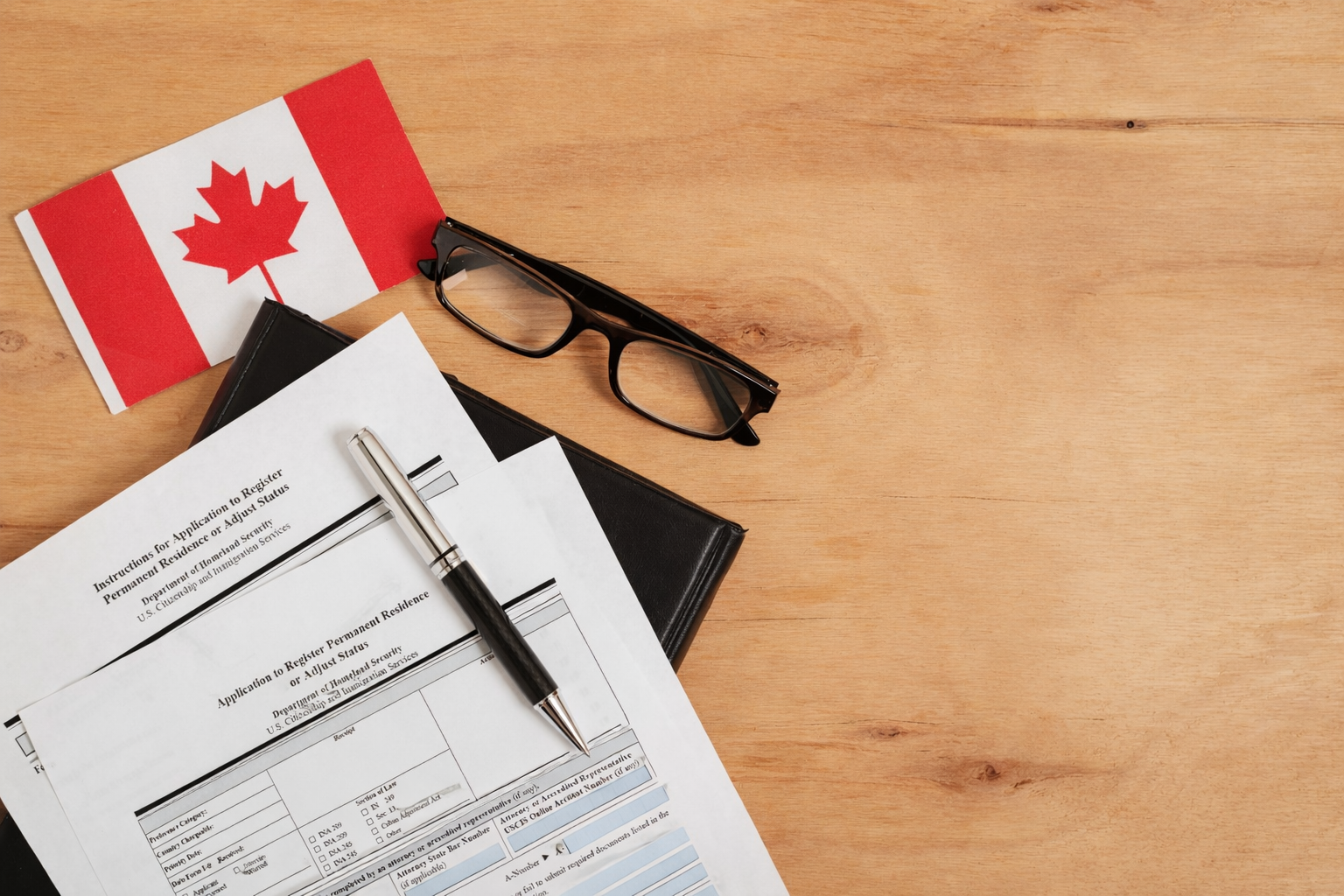
Canada is currently considering new legislation that could affect how asylum claims are processed and how immigration documents are managed. On March 12, 2026, Bill C-12, known as the Strengthening Canada’s Immigration System Act, passed third reading in the Senate. The bill is now awaiting the final legislative steps in the House of Commons and Royal Assent before it can officially become law. At this stage, the bill has not yet received Royal Assent and is therefore not currently in force.
The proposed legislation aims to strengthen border security and improve how Canada manages asylum claims and immigration documents. If implemented, Bill C-12 would introduce new asylum ineligibility rules and grant the federal government expanded authority to manage immigration documents and applications in exceptional circumstances. These changes are intended to help the government respond more effectively to pressures on the immigration system and irregular migration situations.
Under the current Immigration and Refugee Protection Act (IRPA), asylum claims made in Canada are generally referred to the Immigration and Refugee Board (IRB) for determination if the claimant meets the eligibility requirements. The IRB is responsible for assessing whether the claimant qualifies for refugee protection under Canadian law. At the same time, the government’s authority to cancel, suspend, or modify immigration documents is limited to the powers already established within existing legislation.
Bill C-12 proposes several changes to this framework. One of the main proposals involves new eligibility rules for asylum claims. Under the bill, certain individuals may become ineligible to have their claim referred to the Immigration and Refugee Board. For example, the proposal includes restrictions for individuals who submit a refugee claim more than one year after their first arrival in Canada, provided they arrived after June 24, 2020. Additional restrictions could also apply to individuals who enter Canada irregularly from the United States between official ports of entry and submit a claim more than 14 days after entering the country.
Even if a claim becomes ineligible under these proposed rules, individuals may still have access to a Pre-Removal Risk Assessment (PRRA). This process evaluates whether the person would face serious risk, such as persecution or harm, if they were removed from Canada.
Another significant aspect of Bill C-12 is the expansion of government authority in exceptional public-interest situations. The proposed legislation would allow the federal government to suspend, cancel, or modify certain immigration documents, including visas, work permits, study permits, and electronic travel authorizations (eTAs). It would also give the government the ability to temporarily pause or stop accepting new immigration applications in specific circumstances. These powers are intended to provide the government with additional flexibility to respond quickly to large migration pressures or urgent public policy concerns.
At this time, it is important to emphasize that Bill C-12 has not yet become law. Although it passed third reading in the Senate on March 12, 2026, the bill still requires final legislative steps and Royal Assent before any of the proposed changes could take effect. Until that happens, Canada’s current immigration and asylum rules remain unchanged.
If the bill is eventually implemented, it could have a meaningful impact on how some asylum claims are assessed and how immigration documents are managed during exceptional situations. The full scope of its impact will depend on how the legislation is applied and how future regulations and policies are developed after Royal Assent.
For individuals planning immigration or considering an asylum claim in Canada, it will be important to monitor the progress of this legislation and seek professional guidance when needed. As developments occur, immigration professionals will continue analyzing the potential implications for applicants and temporary residents.





.jpg)